
My Korean American Story
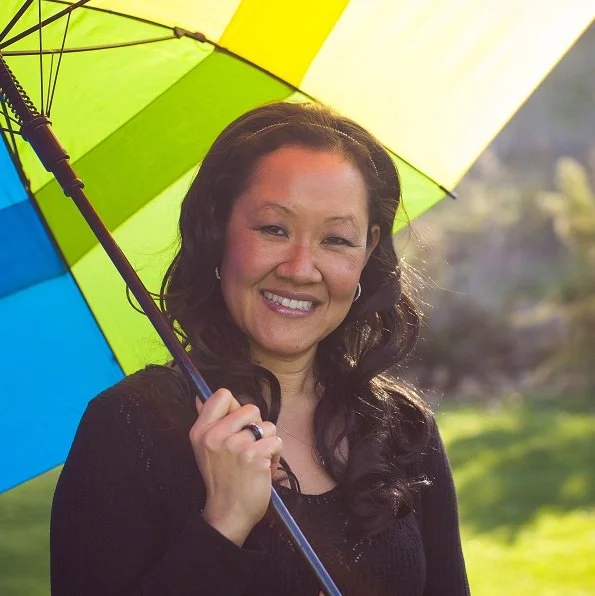
I’m Not Cookie Cutter
I’m 42 and I’m not successful, but I’m Korean American. (Am I allowed to say that?) My story begins in Seoul, Korea in 1970, the year of the dog, when I was born. I was born into a very broken family. My father was in the military and got intoxicated every weekend. My life was completely torn upside down by my father’s rage, drunkenness & violence towards my mother. You can still see the marks of emotional damage that those early years caused within my family experience.
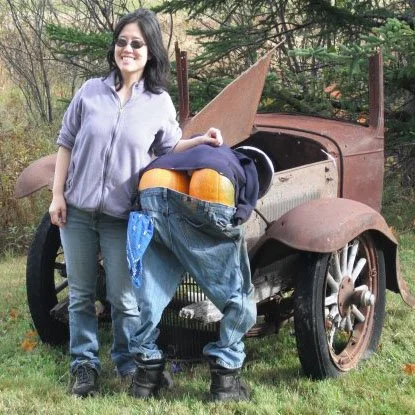
The Kimchi Effect
“What’s your middle initial?” adults would demand as they filled out my forms.
“Y,” I would mutter, staring sullenly at the counter I was too short to see over.
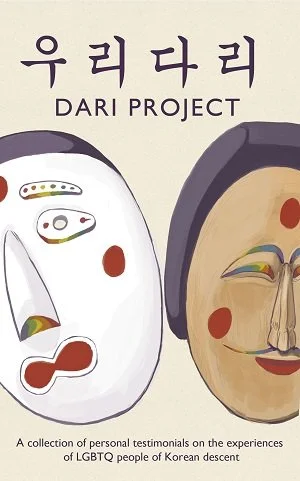
Like Roomates
During my Thanksgiving visit home, I took my father for a long morning walk. We walked around the block five times before I came out to him. My father was confused but stoic. Few words were exchanged until we reached the driveway.
A Song For My Mother
During the 1970s, only half of the (Korean) children placed for adoption were orphans; most of the remaining children were born out of wedlock (Holt Korea 1999). Because of societal values emphasizing the importance of bloodline, children were adopted domestically only by extended family or blood relatives (Sarri, et al. 1998).
This is My Fight, Too
About seven years ago my son told me that he was gay. If I just met him on the street I would never know that he was gay, so when he was young and talked about having a farm with a big family, I always assumed that he meant with a wife and their biological children. Of course, this changed after he came out to me.
Finding Comfort
Like most mixed-race Americans in their 30s, my youth included thousands of “What are you?” questions. The perpetrators were a diverse bunch, from biracial classmates to the stranger at the crosswalk.
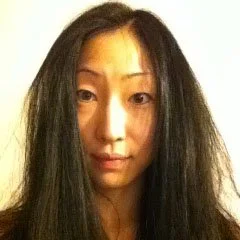
My Korean American Story: Grace Jahng Lee
I was eleven when my father, a Korean immigrant in the U.S. army, tried to drag me to a psychiatrist. My symptoms? Unusual thoughts, erratic behavior, filial disobedience: I suddenly refused to eat meat.
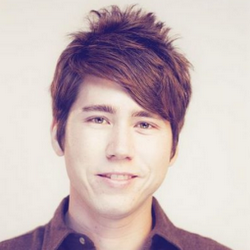
My Korean American Story: Mark Ro Beyersdorf
Ever since I left Southern California for college in Connecticut, my mother has always waited while I wind through the airport security line. She smiles and waves wildly until I make it past screening and turn around to wave goodbye one last time. Except once.
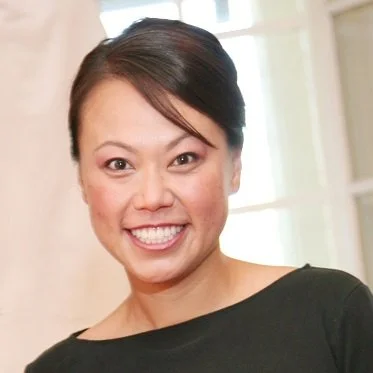
My Korean American Story: Shinyung Oh
I’m not the only Korean kid whose parents acted as if becoming a lawyer or a doctor were the only career options. For my parents, the doctor path was the first line of offense. Throughout high school, we were barraged by comments like, Don’t you want to become a doctor? Dr. Rosenberg is such a gentleman. He always pays his bills on time. Look how well his wife dresses. Along with some downright dirty, guilt-tripping pleas like, Wouldn’t it be nice to have a doctor in the family? Think of how you can help us when we grow old. Imagine if we developed heart problems… They found ways to weave these hints into any random occasion, bearing testimony to their faith in the Chinese water torture method. If you repeat it often enough, my mother once confessed, it will seep in.
Raising Yunhee
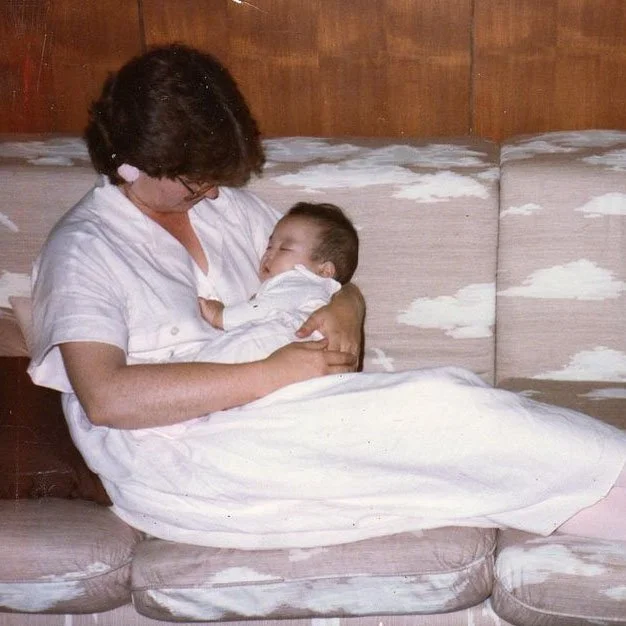
In June 1986, my husband, our four-year-old son and I were strolling through the Sinchon market in Seoul. In my arms, I carried our seven-month-old daughter, whom we’d met for the first time four days before. An ajumoni grinned up at us from where she squatted beside her bins of fresh vegetables and called out in Korean, “She looks just like her mother!”
Awakenings
A year has gone by since I declared my wish to be buried in Korea, and examined those reasons as an adopted Korean American. Do I feel differently? No, I still feel that yearning for closure like a starlit beacon over a faraway sea, the color of blue so dark it shimmers with black.
My Korean American Story: Diana Yu
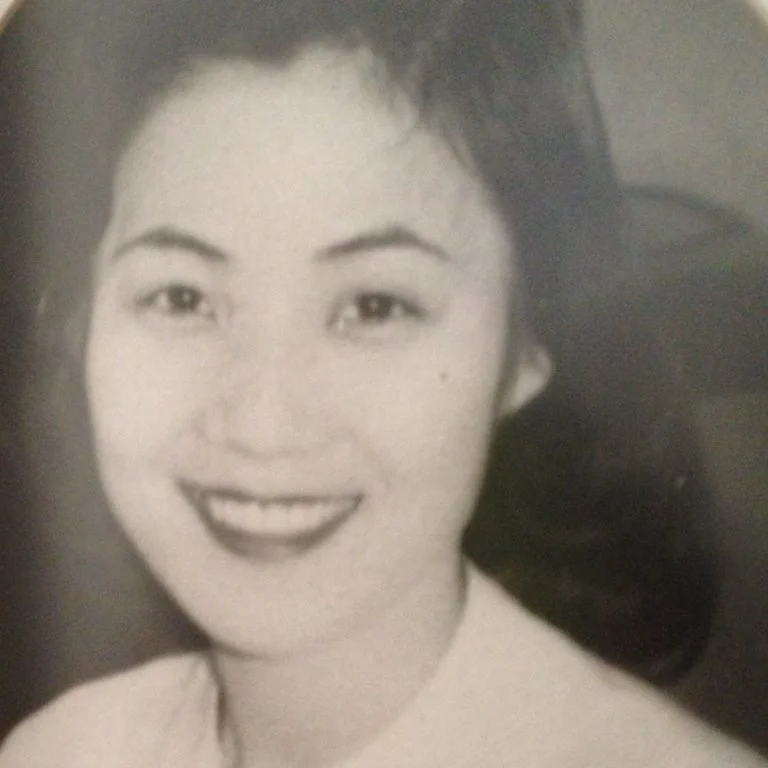
In the late fifties, following the Korean conflict, things were so bad in Korea that people tried to leave the country any way they could. College students were no exception. They would pass entrance exams for Korean colleges, but would then often seek admission to colleges in America.
My Korean American Story: Matthew Salesses
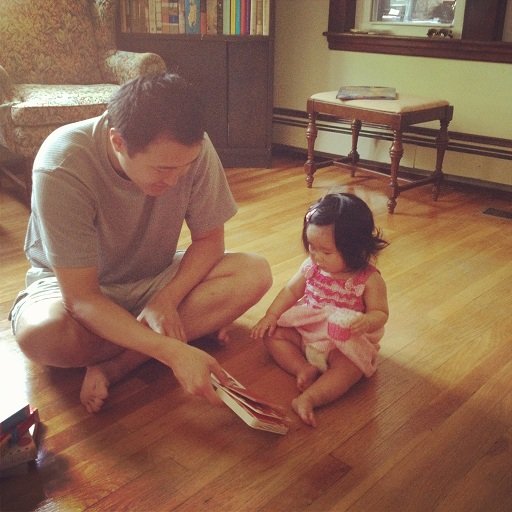
I am reading I Wish for You a Beautiful Life right now, for the first time, suggested to me by another Korean adoptee. It is a book of letters from birth mothers to their babies, letters I wish had come packaged with us. I have found that the letters I appreciate are the ones where the mothers say they will not ask for forgiveness. I wonder why this is.
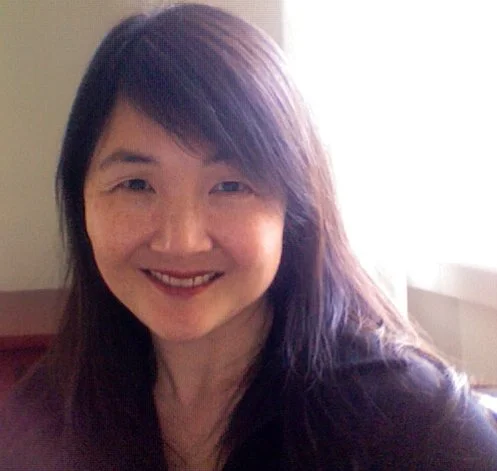
Eemoboo (Uncle)
I call him Eemoboo for mother’s younger sister’s husband and he calls me Chahmseh for little songbird. He is in every way the extraordinary hero of my life, taking my side when I argued with my parents, never said what I couldn’t do because I was a woman, Korean, or any of those things that seemed to matter to my parents who were fearful for me.
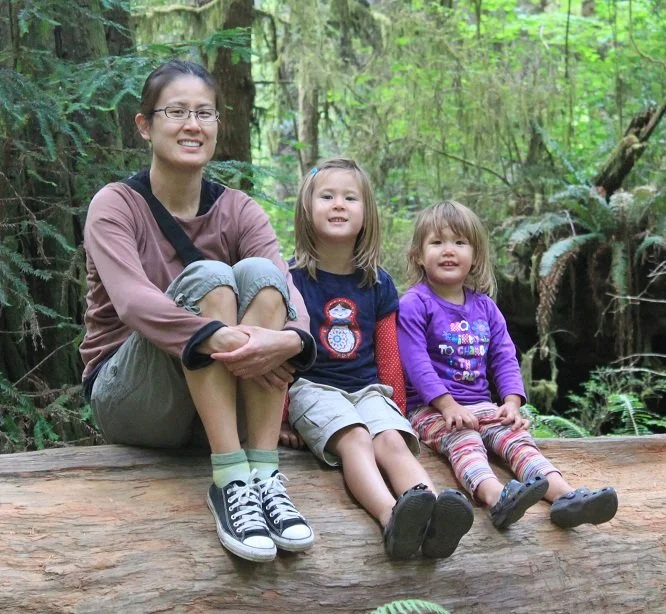
My Korean American Story: Mary Weybright
I thought that way for many years because I had experienced much despair in my life. For a long time, despair kept me from thinking that my immigrant life would change. The future seemed dark and I did not have much hope then. Now I know our lives are not immune to hardship and suffering. As hope comes and goes, we must hold onto it and improve ourselves.
My Korean American Story: Minkwon Youth Group
The cost of a slice of pizza is $1.99. For the average tax payer, the New York State DREAM Act wouldn’t even cost this much. It is a small price to pay for a bill that would provide all New York students, regardless of immigration status, equal access to state financial aid for college.
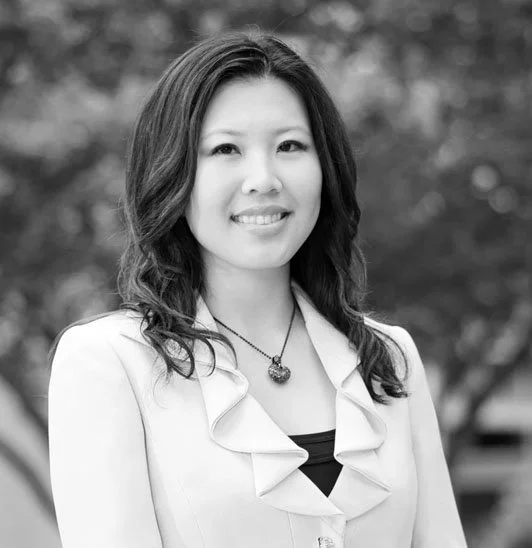
My Korean American Story: Ko Im
My relationship with a certain pickled cabbage, you could say, is complicated. Kimchee became symbolic of my Korean identity, for obvious reasons and otherwise. But my personal journey mirrors the evolution of the Korean American experience overall, too.
Race(ism) 101 – Reflections on the Sa-I-Gu LA Riots
I was driving home, listening to 92.3 The Beat, a hip-hop radio station, when the acquittal verdict for the three police officers charged in the Rodney King beating was announced by the DJ. This was a year or two before the takeover of The Beat by DJ Theo Mizuhara, his silky voice becoming synonymous with all things hip-hop.
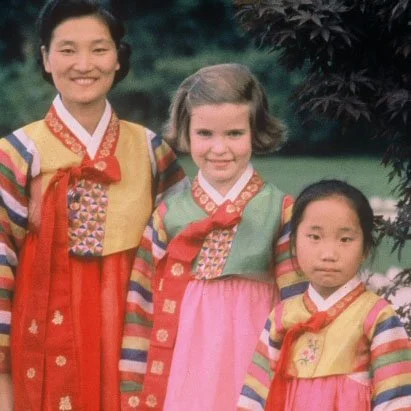
My Korean American Story: Anne Sibley O’Brien
Growing up in Korea in the 1960s and 70s, I became accustomed to the McCune-Reischauer system of romanization; I just can’t get used to Daegu and Geoje-do. Since this is a personal essay, I chose to keep the spelling that’s familiar to me.
Watercolors
The week after he returned from the hospital, she came home from teaching her fourth grade class to find him listening to Beethoven and pushing himself around with a broom and dustpan on his lap. She called it the accident again, and he whirled his wheelchair around so his back was to her.