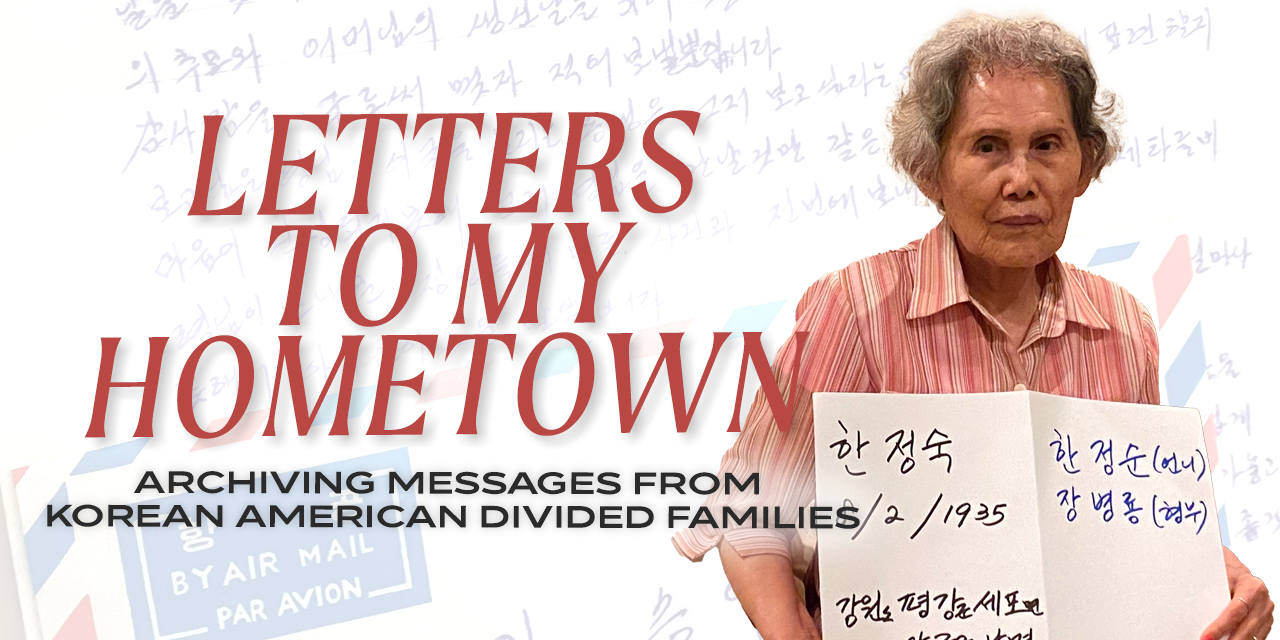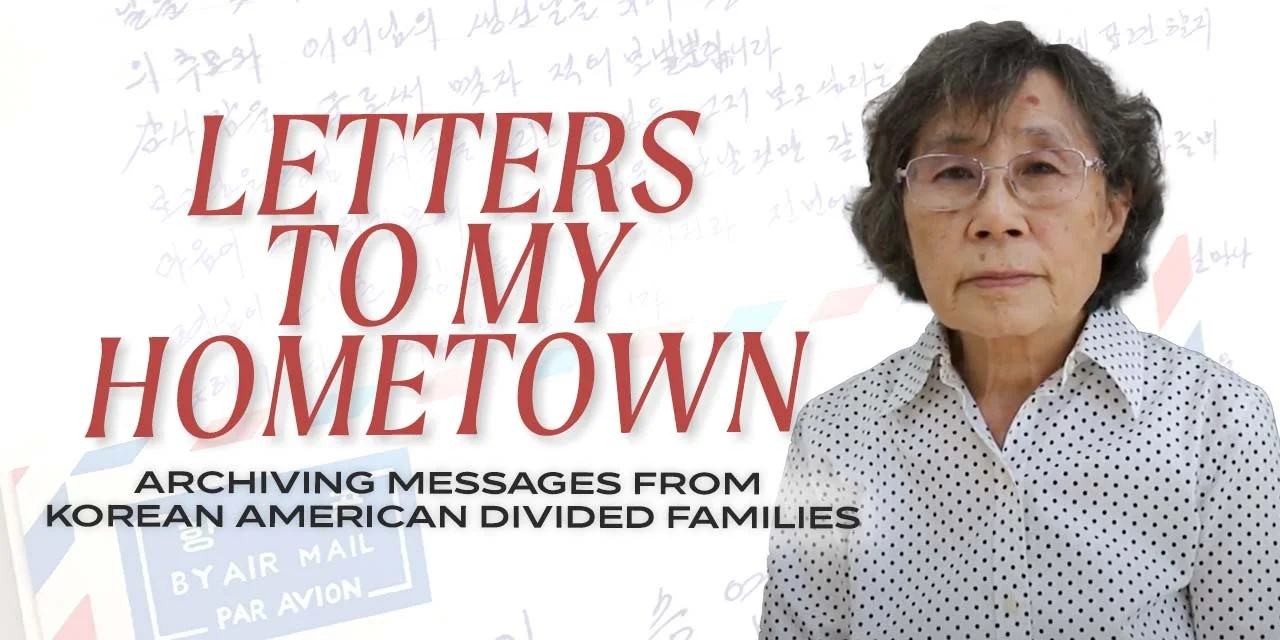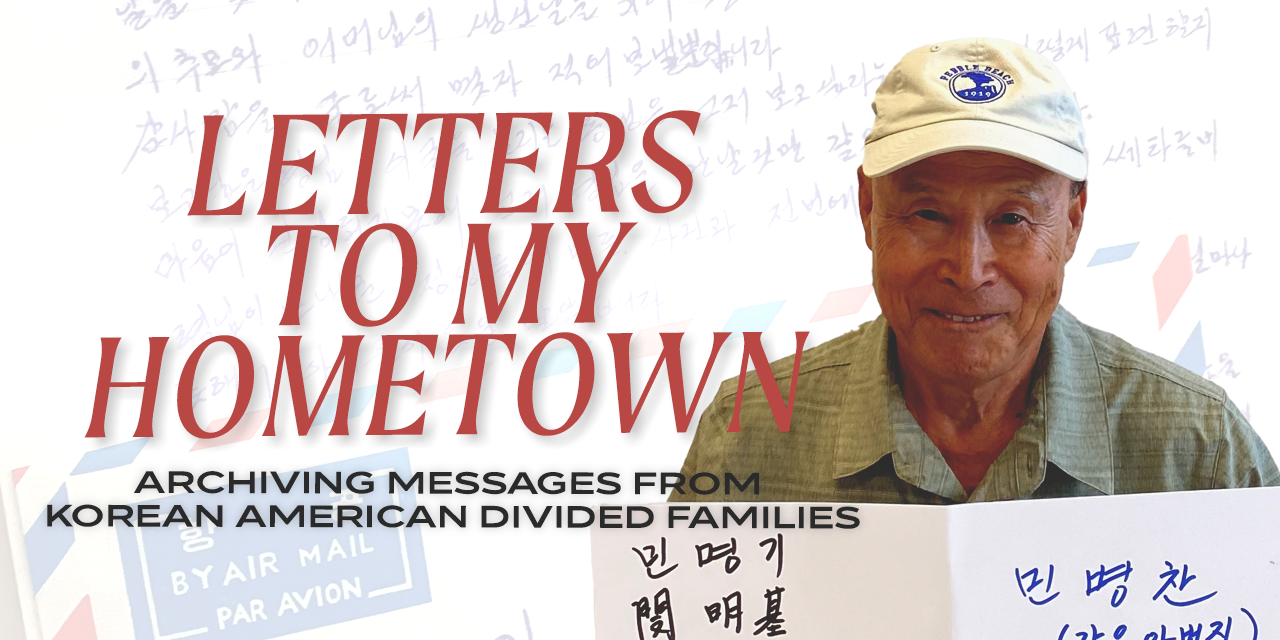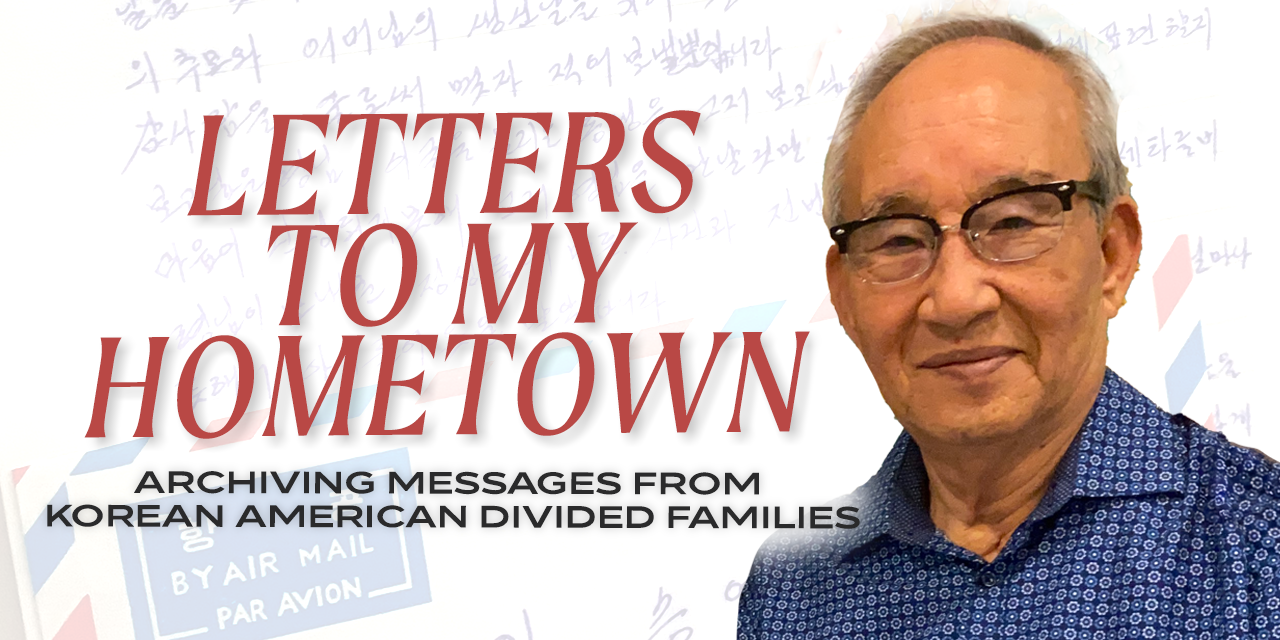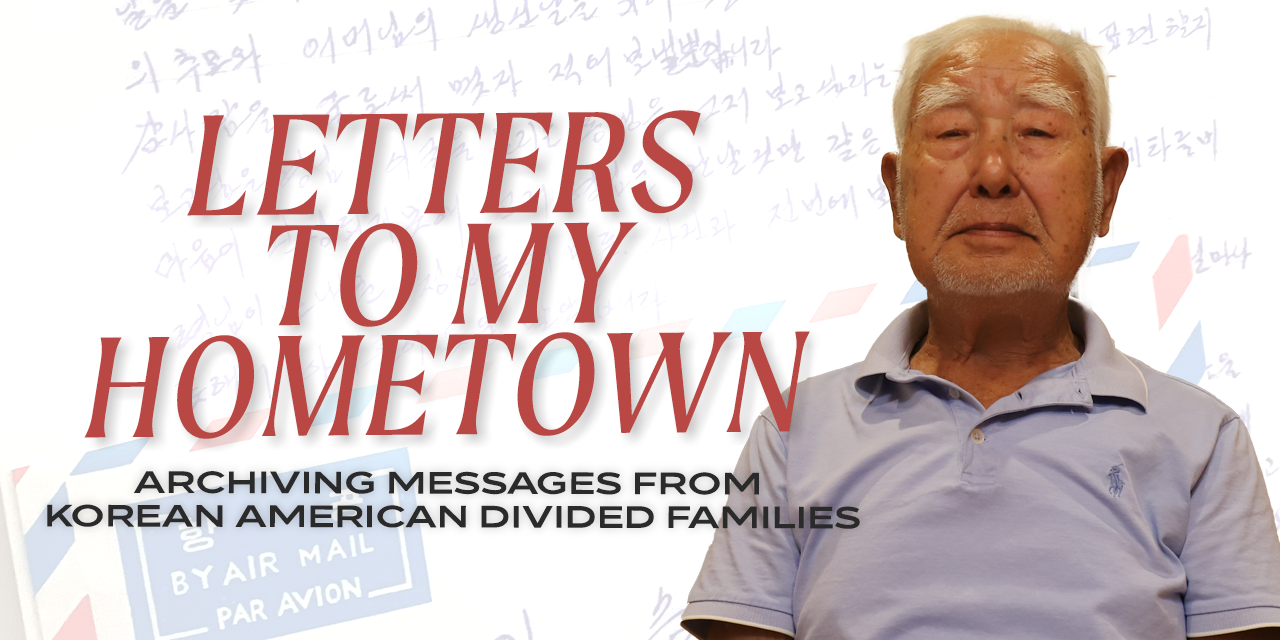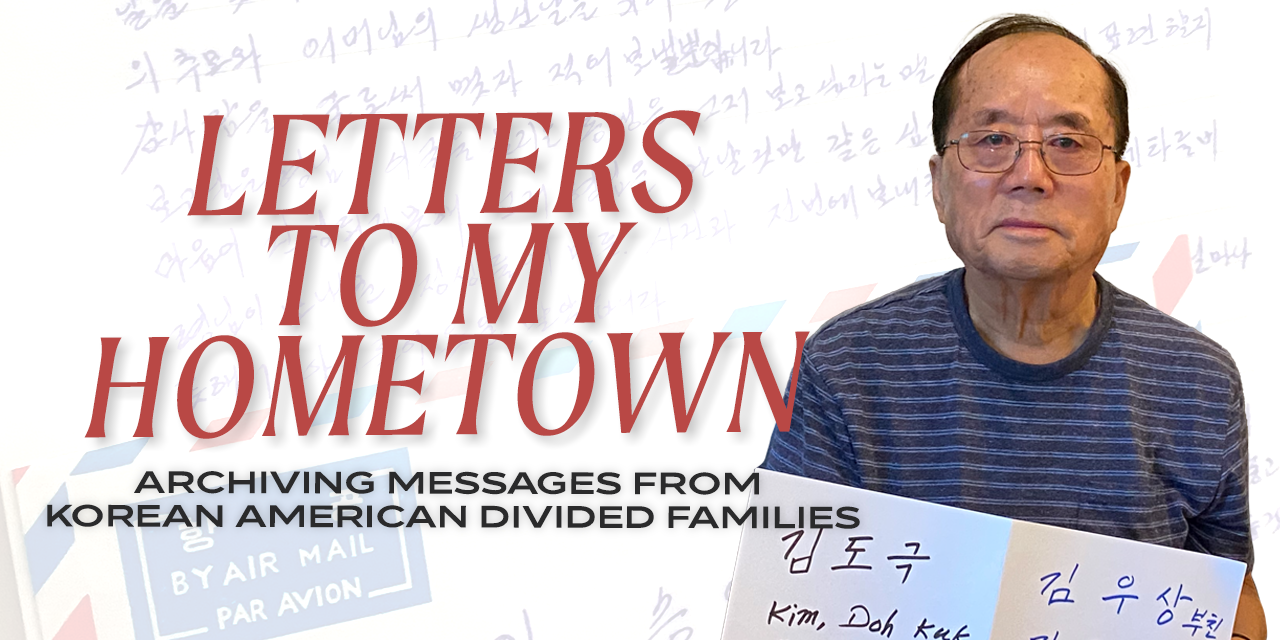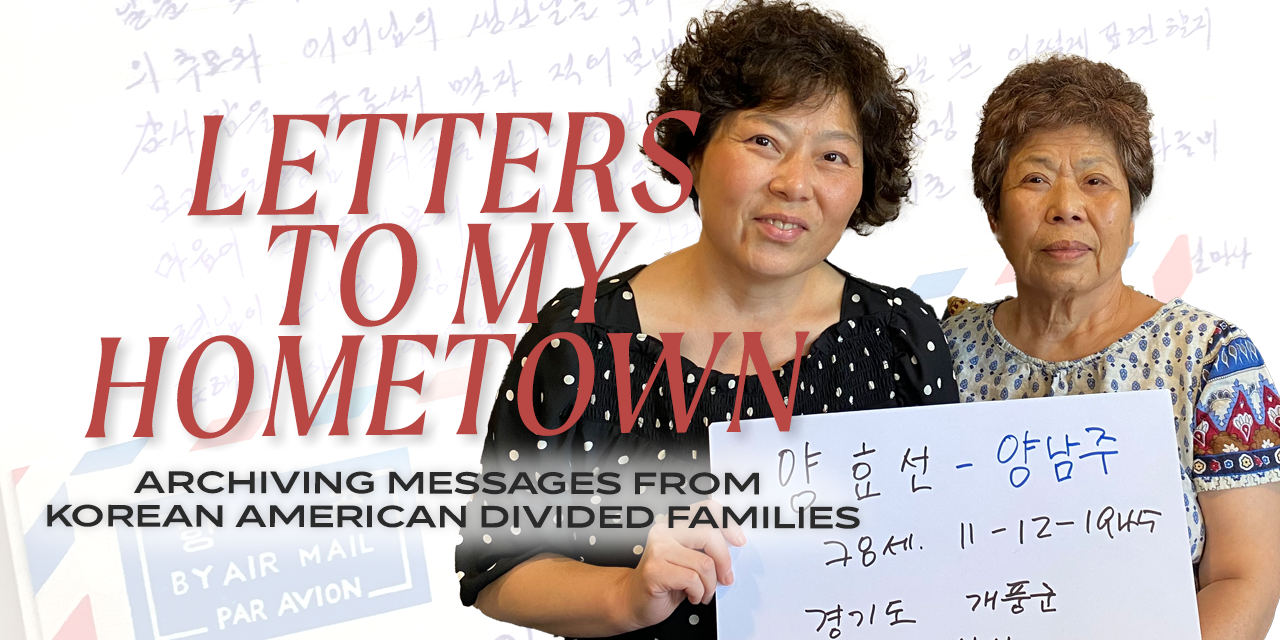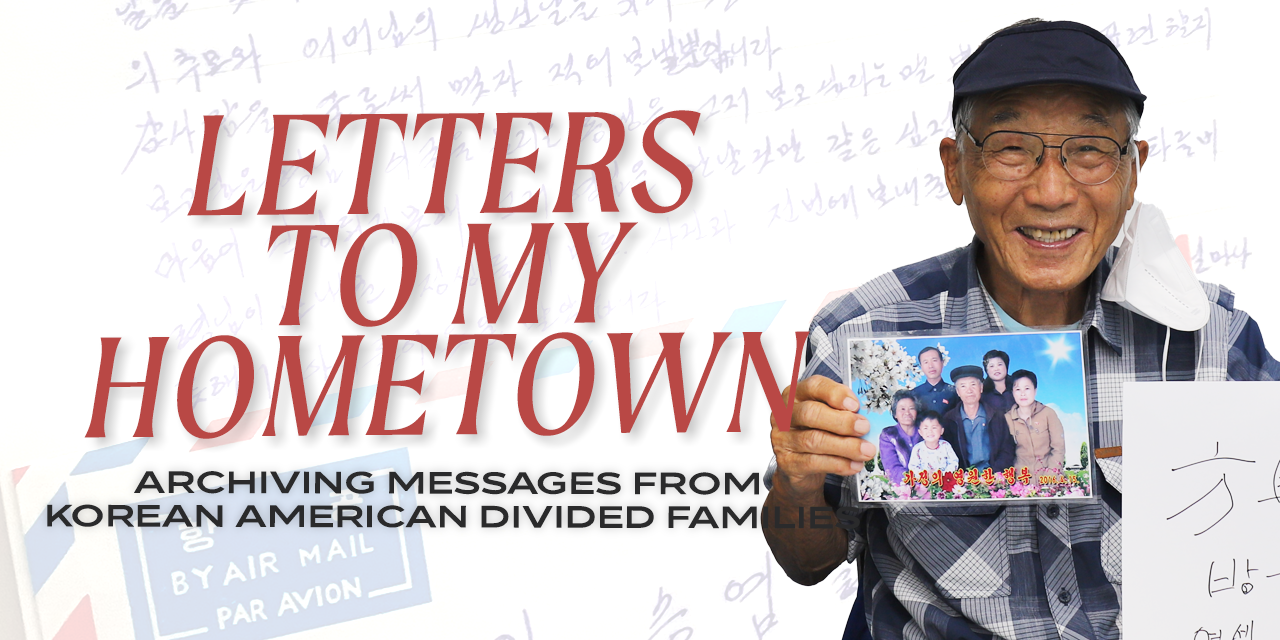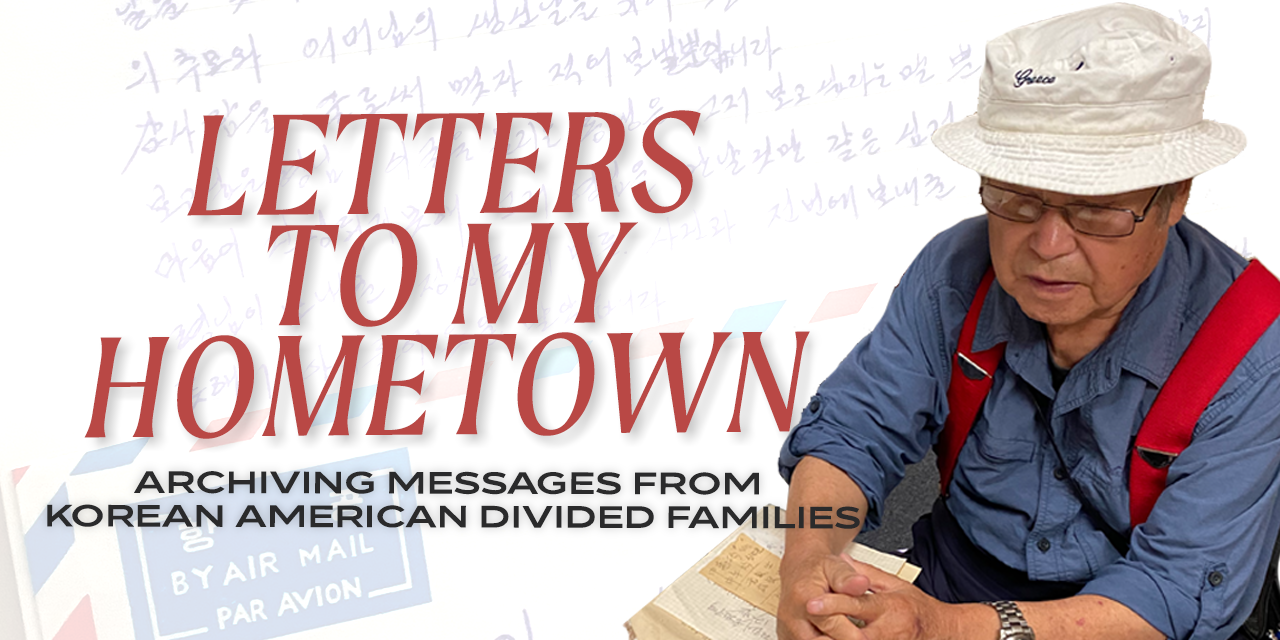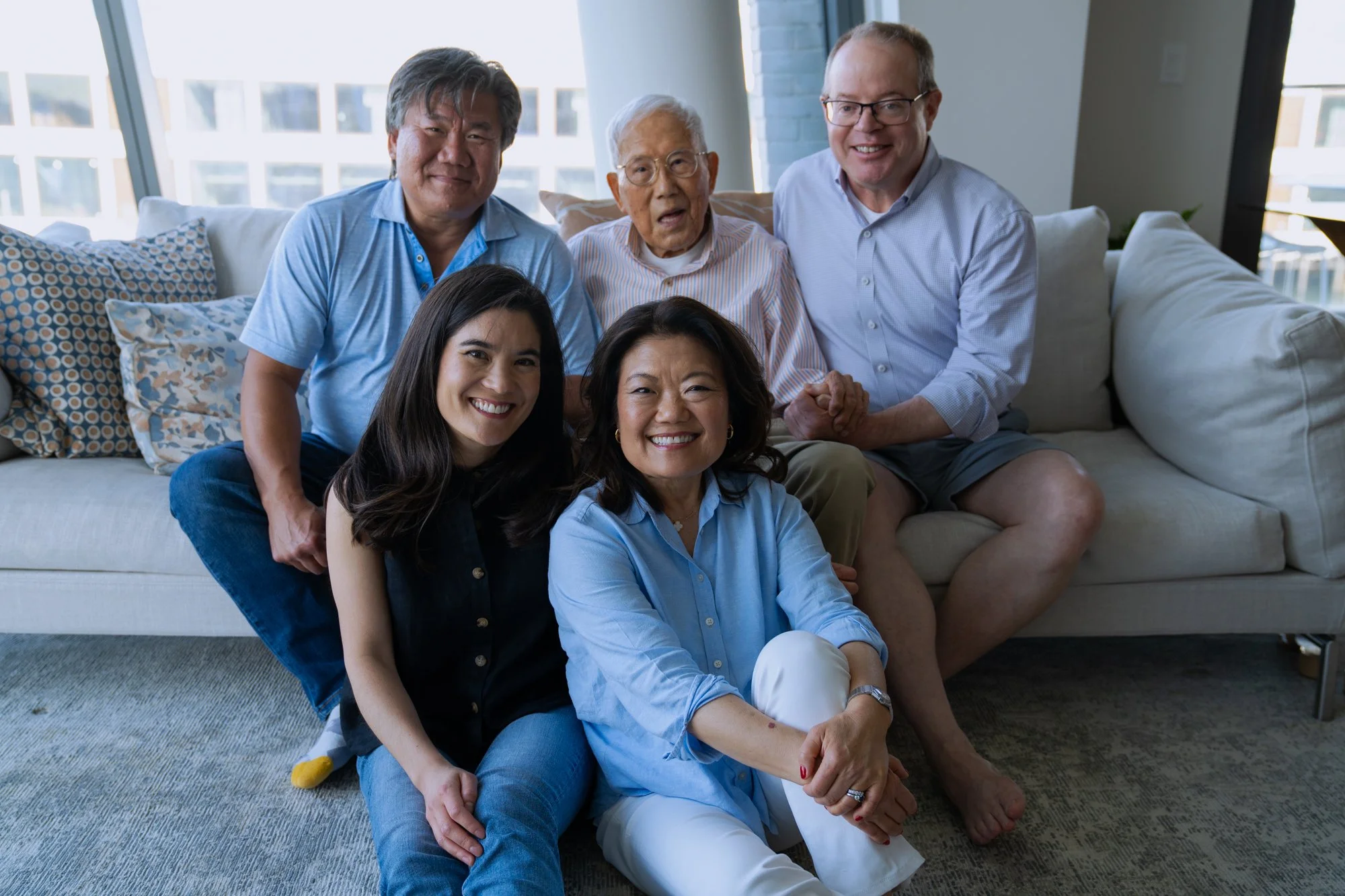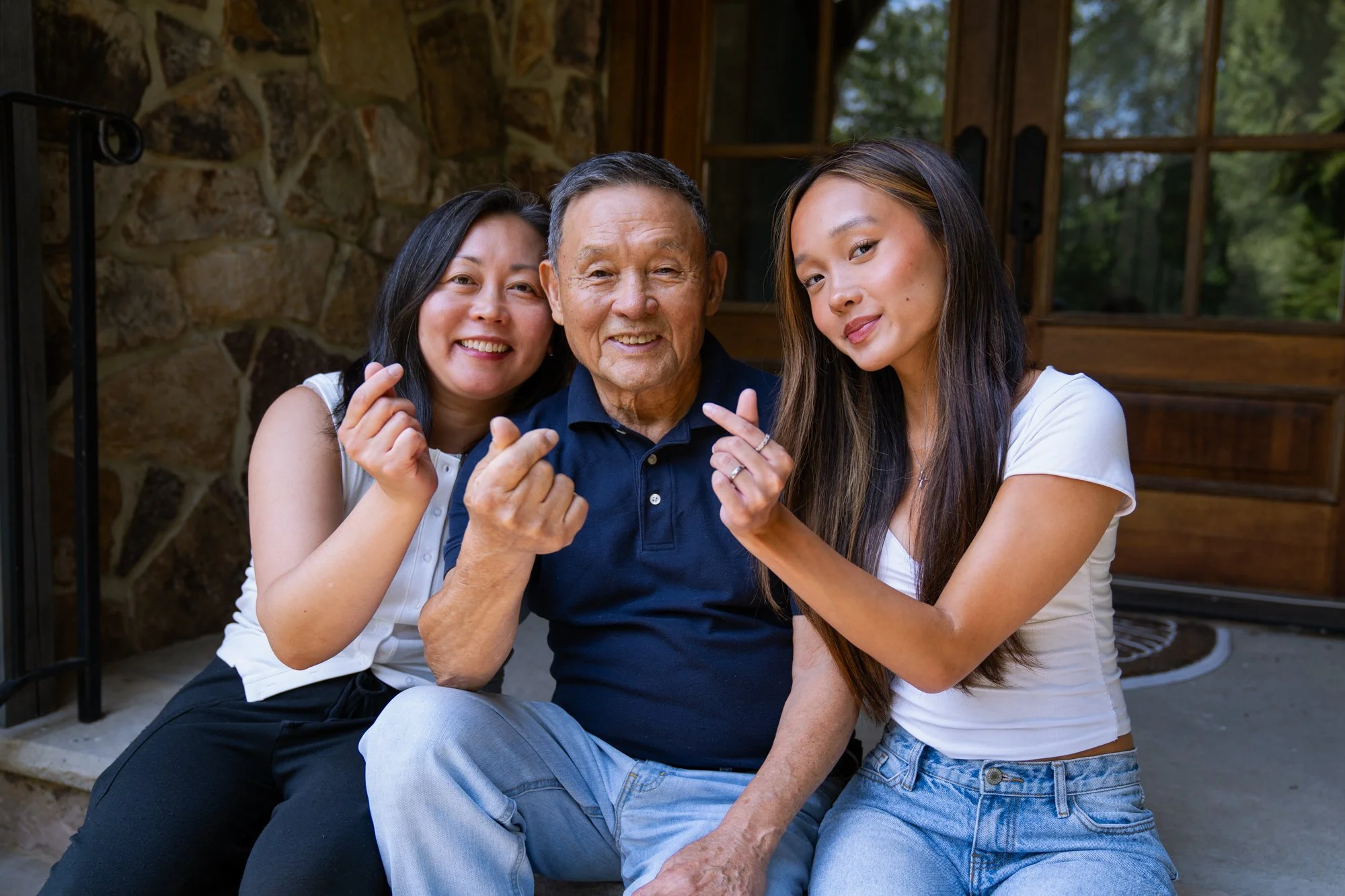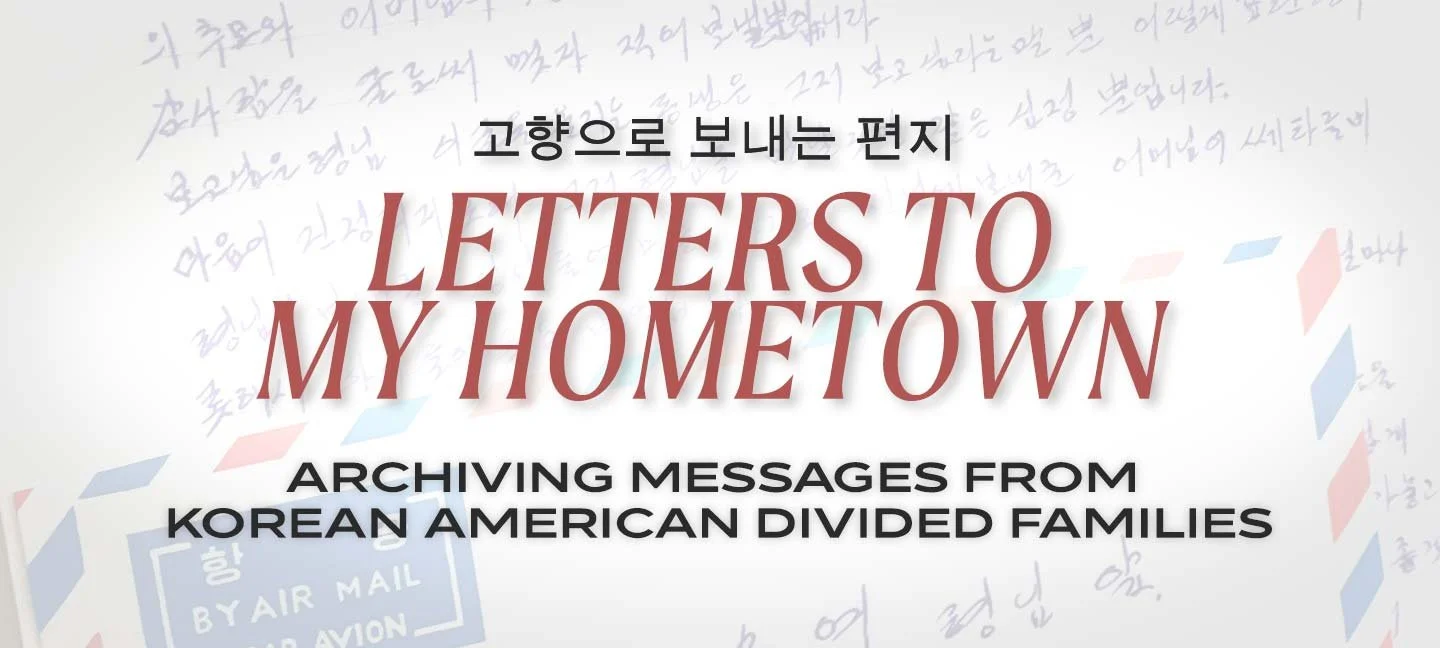
Letters to My Hometown seeks to collect messages from elderly Korean Americans across the United States to their relatives in North Korea, from whom they have been separated for over seventy years. In 2024, we’ll release an interview from Letters to My Hometown Project every month. All interviews will be available on our YouTube channel. Each message will include the interviewee’s answers to the following prompts and photos of family members, heirlooms, and hometowns.

Born in Pyeonggang County, Kangwon Province, Jung Sook Han recalls a childhood shaped by farming life in the highlands of the Taebaek Mountains and the quiet closeness of family. When war and division erased her home and separated her from her sister, her memories became a place of return—and a hope that future generations might one day reunite.
Born in Cheongpyeong, South Hamgyeong Province, Keum Ja Park recounts a childhood shaped by displacement and a harrowing evacuation from Heungnam. Decades later, her return to North Korea to reunite with her father reveals the emotional distance created by time, separation, and a homeland transformed.
Born near Haeju in Hwanghae Province, Myung Ki Min remembers a childhood marked by countryside play, sibling mischief, and azaleas blooming on the hills each spring. Separated from his father during the family’s flight south at the start of the Korean War, his letter reflects on loss, unanswered questions, and a plea for humanitarian reunification before time runs out.
Born in Unheung-ri, Hamheung, Sung Joo Kwon recalls a childhood shaped by the love of his oldest brother, who introduced him to music through recitals and long walks up Banryongsan Mountain. Their separation during the Heungnam Evacuation turned a promised temporary departure into a lifetime of longing—for reunion, family, and a return to his hometown.
Born in Changyon, Hwanghae Province, Sang Chul Kim reflects on a childhood defined by deep love for his parents and siblings, especially the younger brother who once cared for him. Forced to flee without farewell when the war began, his story carries a lifelong wish for reunification—for his family, his homeland, and the peace of those left behind.
Born in Sariwon, Hwanghae Province, Doh Kuk Kim recalls a childhood filled with friendship, schoolyard leadership, and long days spent climbing Jeongban Mountain. His family’s departure during the January Fourth Retreat—meant to last only a week—became a lifelong separation, leaving him with memories, love, and hope for reunion.
Born in Manwol, Kaesong City, Hyo Sun Yang recalls a childhood marked by war and sudden loss, when her father was captured while working as a surgeon and never returned. Her reflection holds space for uncertainty—balancing hope for his survival with a longing for peace across generations and borders.
At 95, Hung Kyu Bang recalls walking to school with his sister in Pyongyang and the hardships endured under Japanese occupation. His story speaks to enduring memory, grief, and a lifelong hope for reunification and renewed connection between divided families.
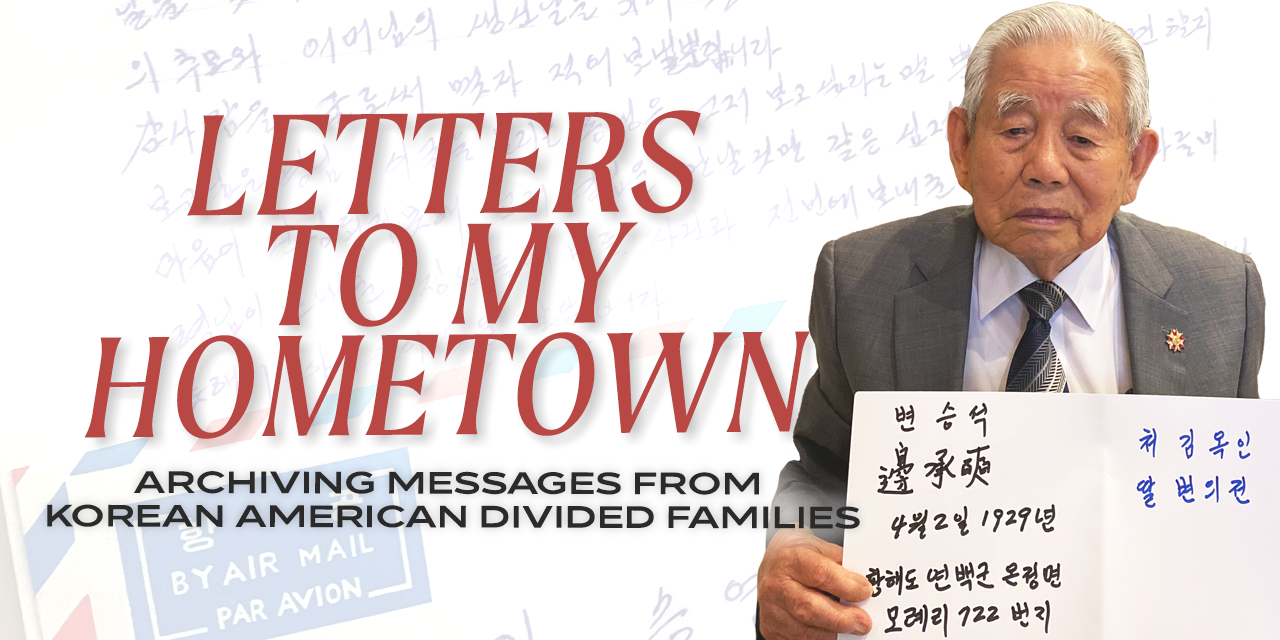
Born in Hwanghae Province, Seung Suk Byun recalls a childhood shaped by poverty, interrupted education, and a perilous escape during the Korean War. His story bears witness to survival under unimaginable conditions—and to the family ties that endured long after borders hardened.
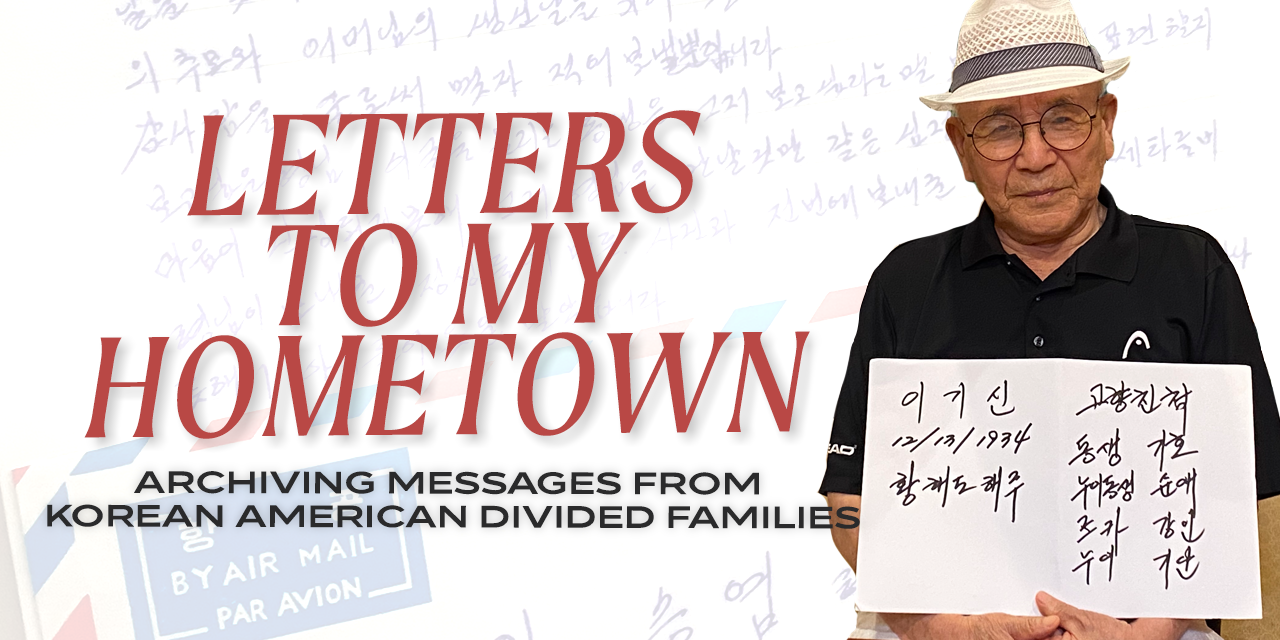
Born in Haeju, Hwanghae-do, Ki Shin Lee was forced to flee south during the Korean War, leaving his parents and siblings behind under the belief he would never see them again. Decades later, a fragile reunion revealed both the enduring love of family and the profound human cost of a divided homeland.
Born in Gangdeok, North Korea, Marn J. Cha reflects on returning to his hometown decades after separation, reuniting with relatives who remembered him as a child. Through memory, loss, and enduring hope, he shares what it means to carry a divided homeland—and to pass that legacy on to the next generation.
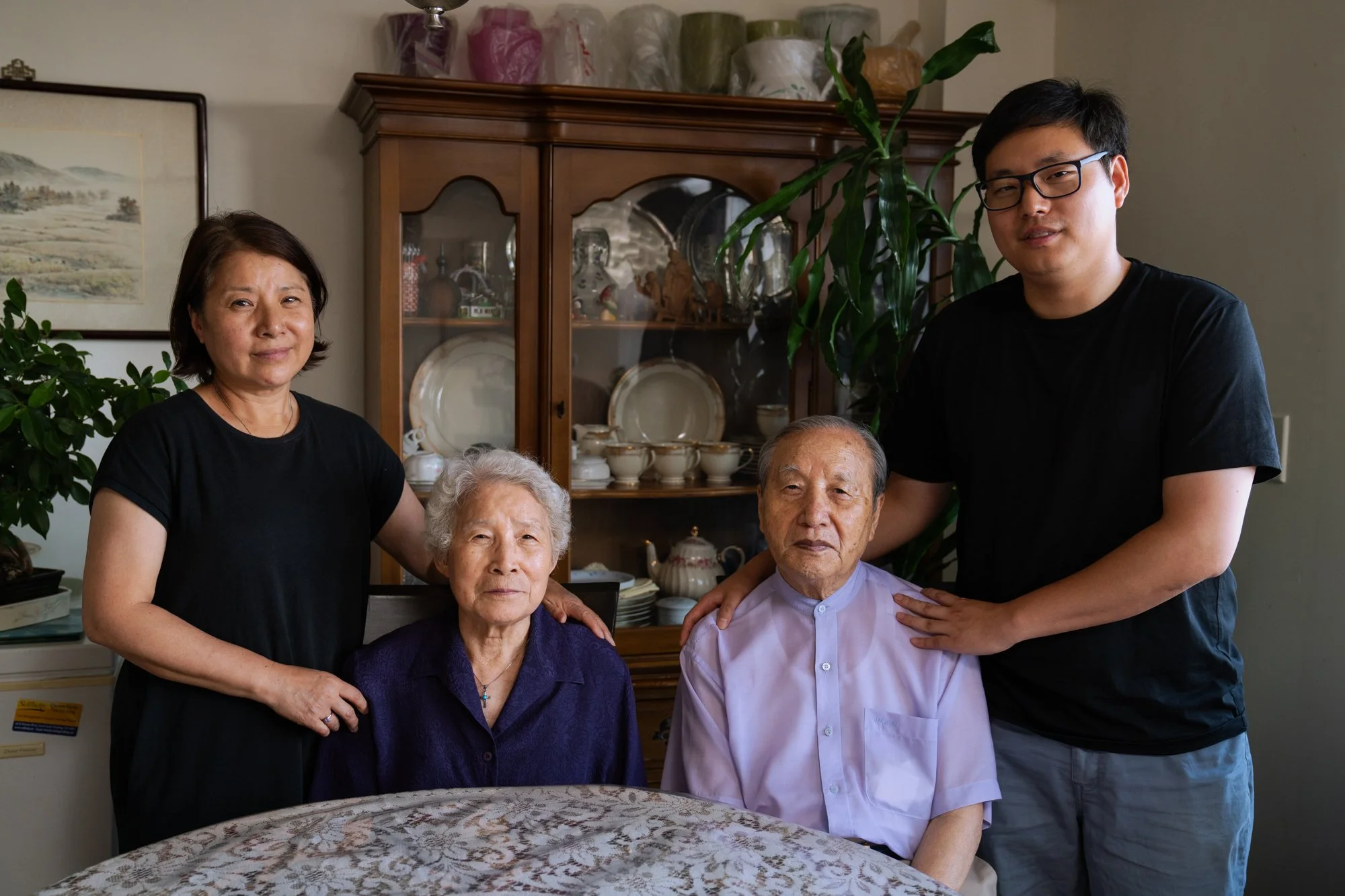
Across three generations, the Rheem family reflects on how war, displacement, and Korea’s modern history reshaped their lives and relationships. Their conversation reveals how, despite loss, family remains a lasting source of identity, memory, and what they call a “network of love.”
Tae-hyok Kim and his family reflect on a life shaped by displacement, memory, and the need to document what might otherwise be lost. Across generations, they show how storytelling can serve as both healing and a foundation for identity.
As a child in Pyongyang, Won Yun remembers skating on the Daedong River before war transformed his world. Now joined by his daughter in law Cristina and granddaughter Emily, he reflects on survival, separation, and a brief reunion that revealed both the fragility and persistence of family bonds.
In this Letters to My Hometown reflection, Hyung Chang Kim recounts his father’s life—marked by resistance, survival, and an enduring longing for Hwanghae Province. Through inherited memory and grief, his letter reflects how the sorrow of division can pass across generations, shaping both identity and hope.