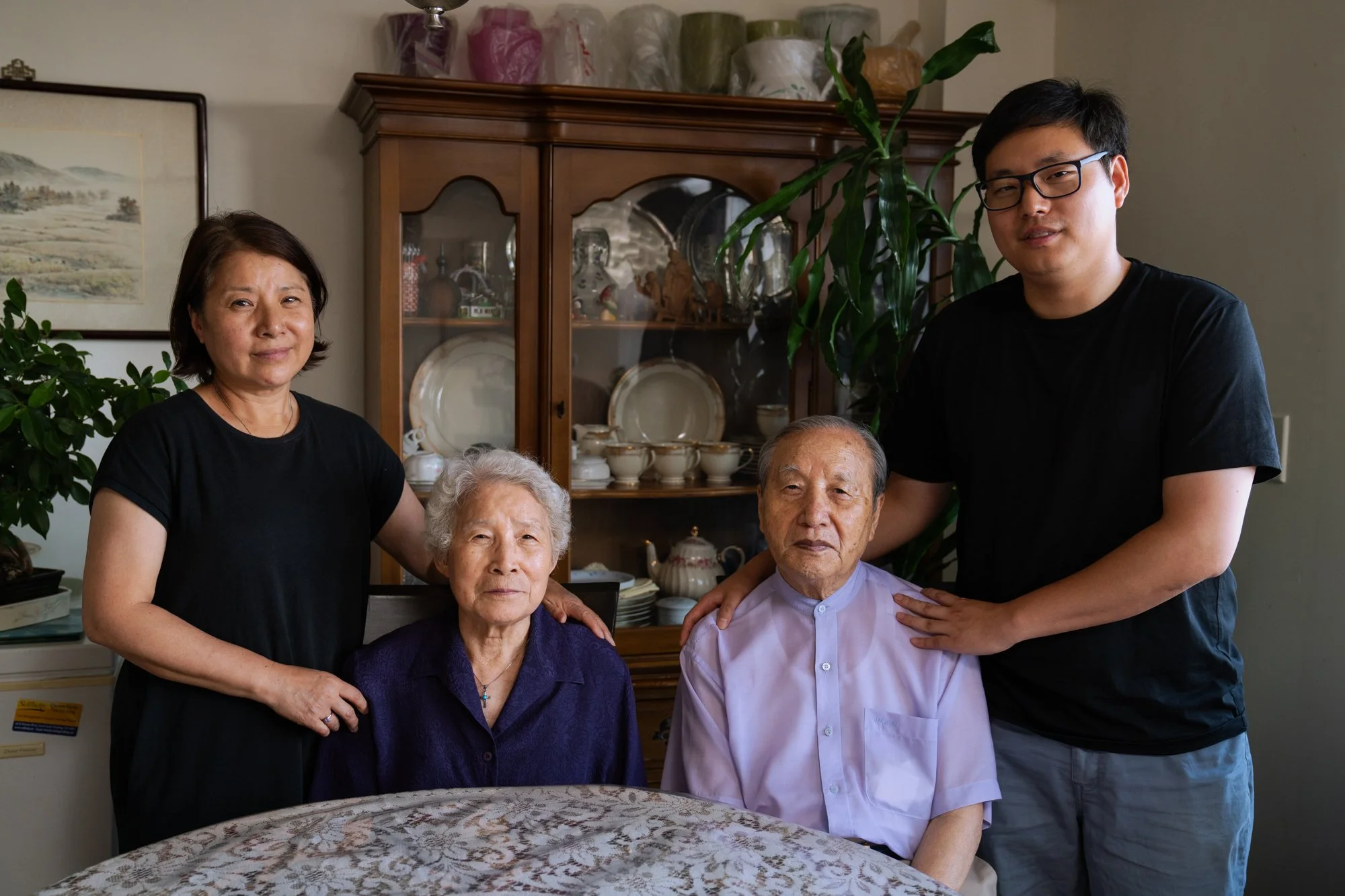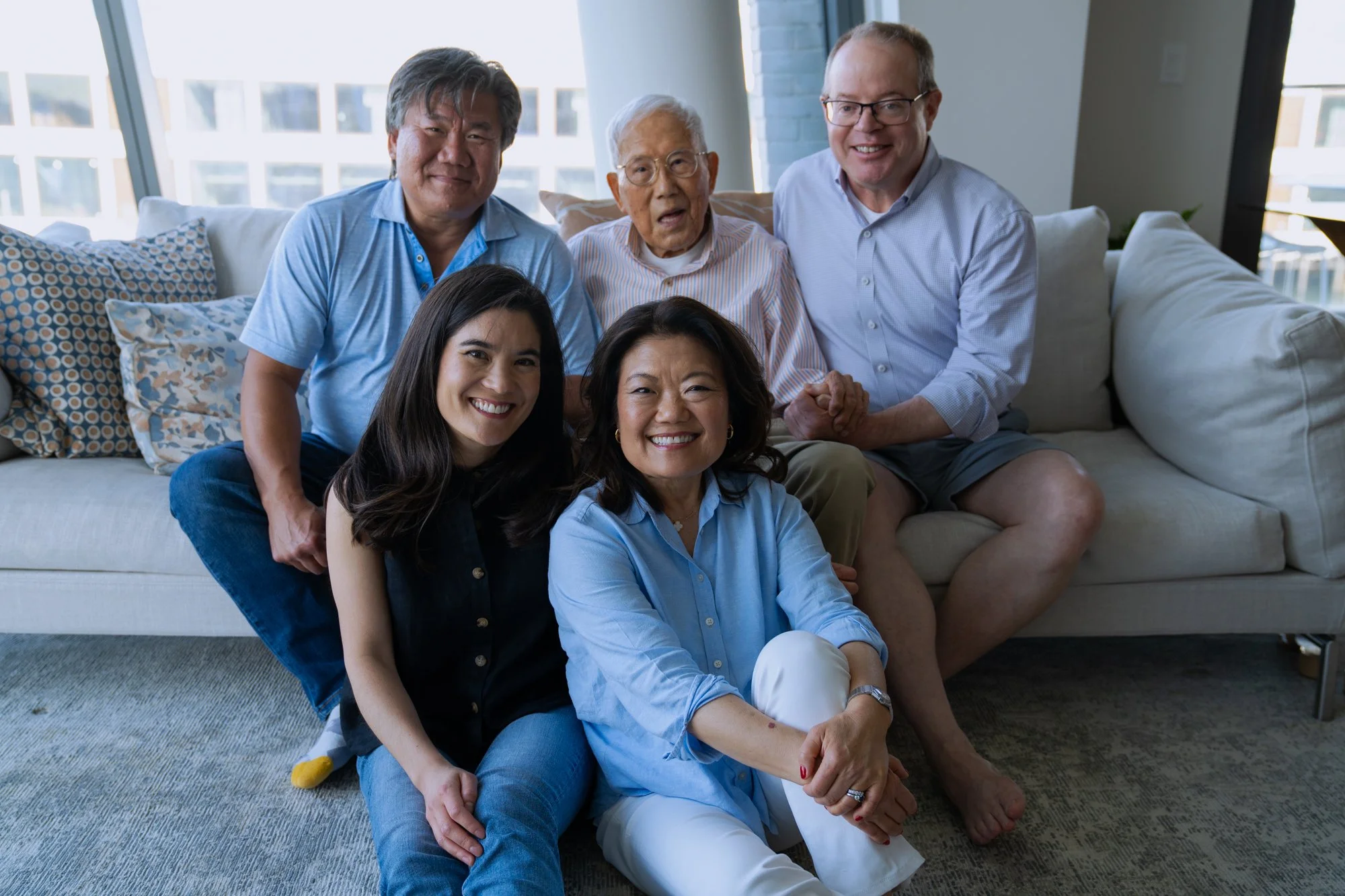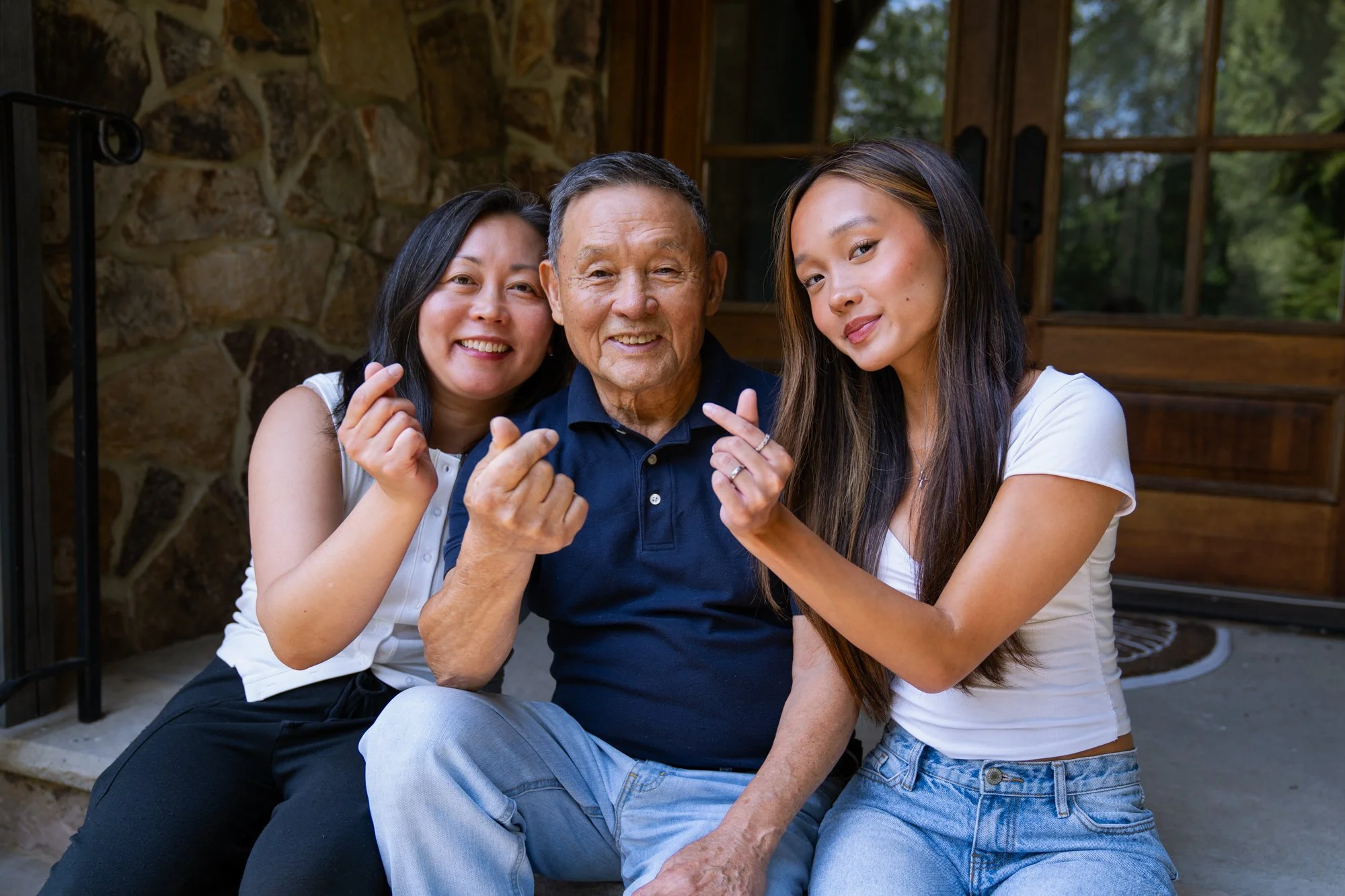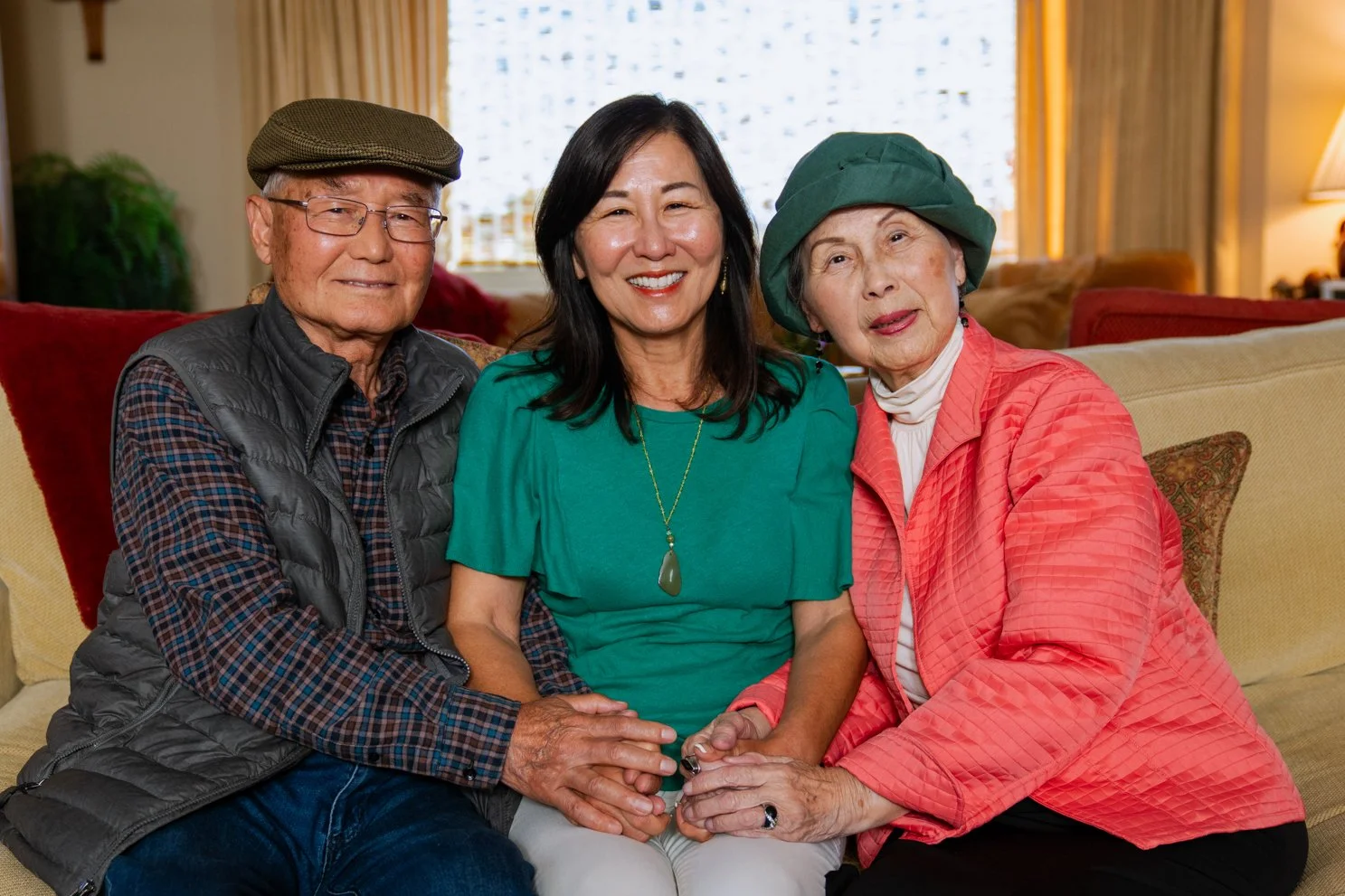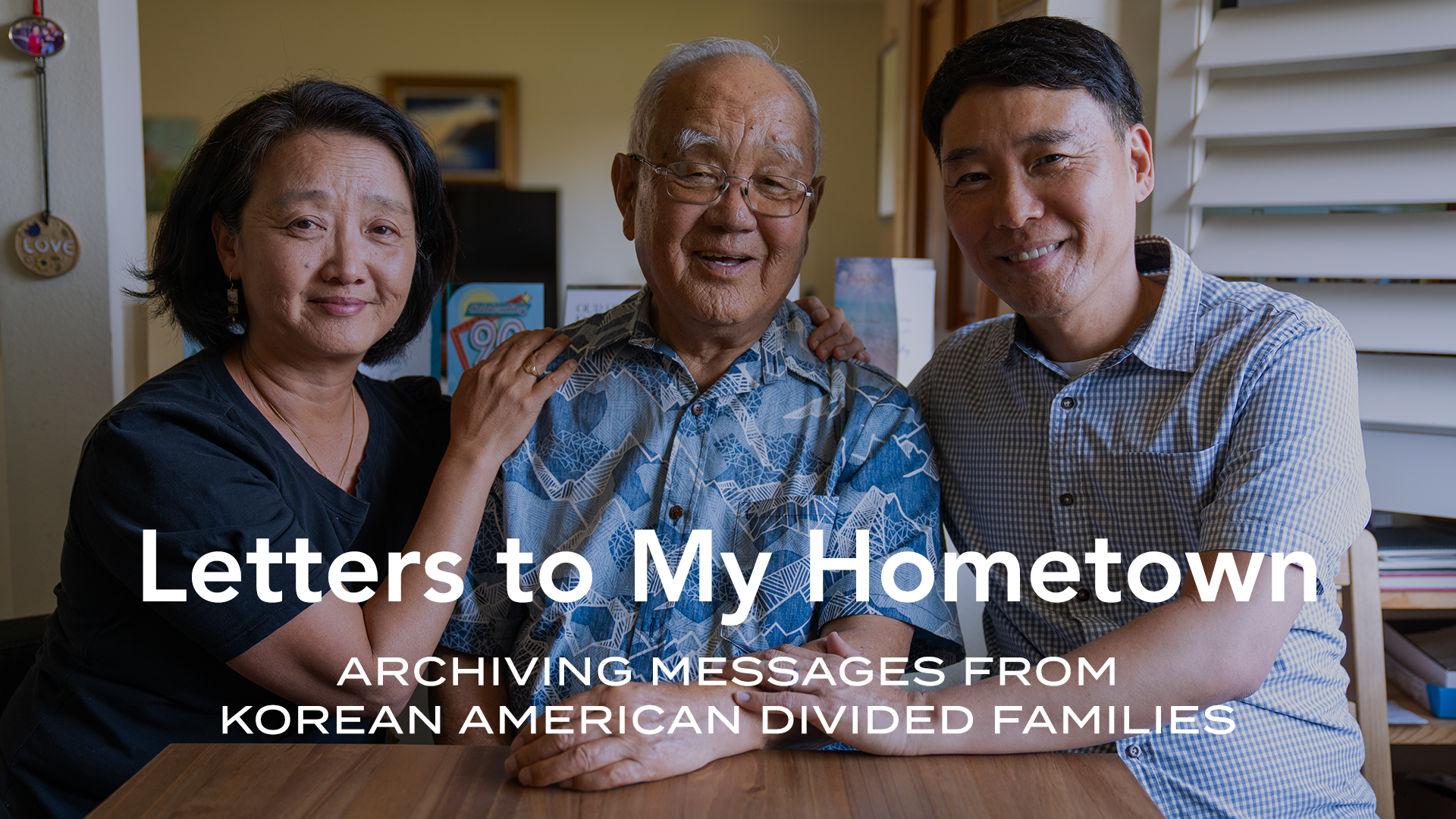
The 75 years of division and conflict from the Korean War have not only affected the first generation, who still long for their hometowns in North Korea, but also younger generations who have no memories of the conflict, yet many of whom have inherited the weight of uncertainty and the mission of searching for missing relatives.
This iteration of Letters to My Hometown invites audiences to listen and reflect upon intergenerational conversations of the Korean American community whose divided families have sustained the traumas of their homeland’s partition. Generously supported by the American Friends Service Committee, these conversations aim to take steps toward transforming the intergenerational traumas of the Korean War into opportunities for collective remembering, learning, and healing.

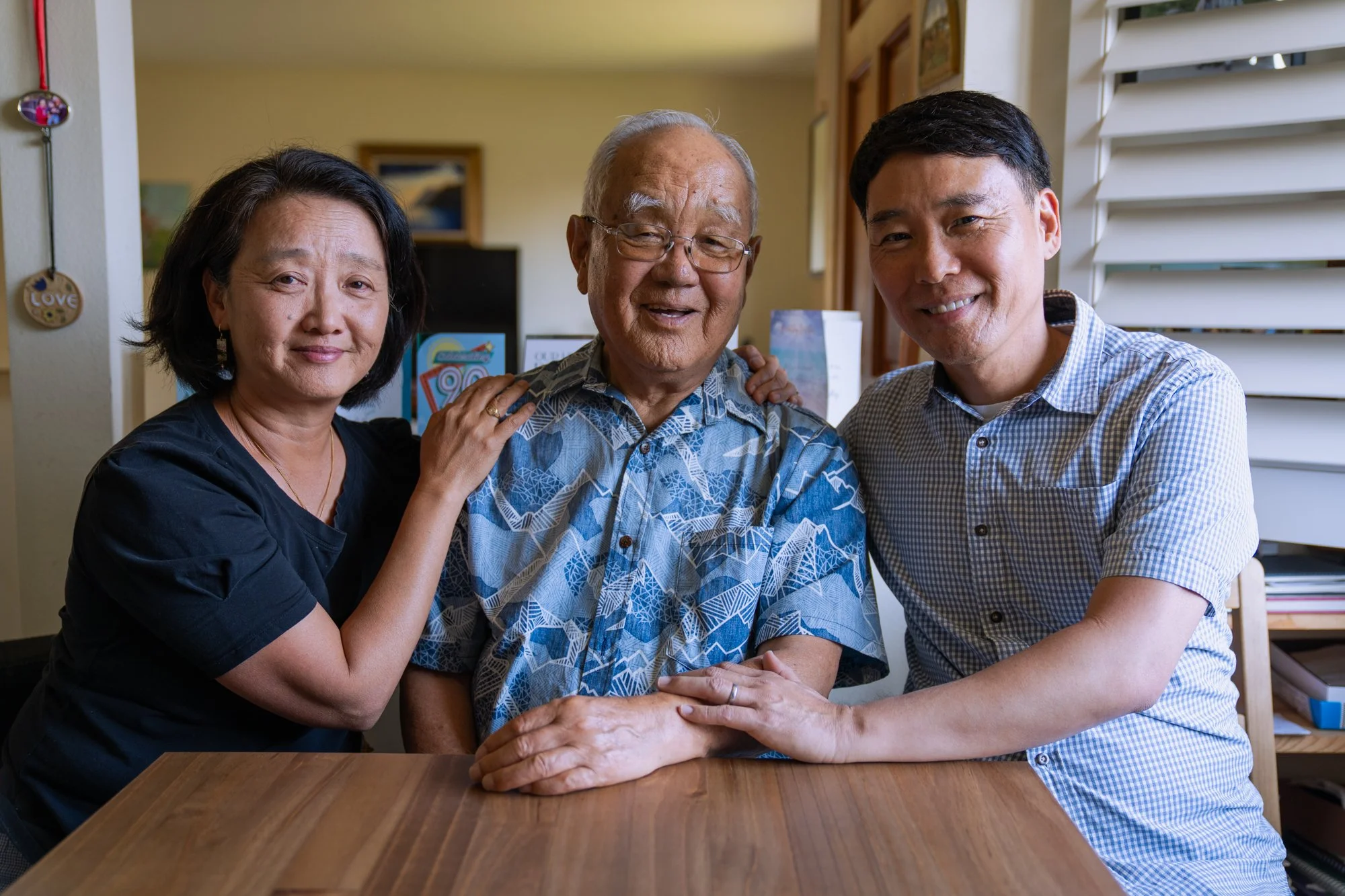
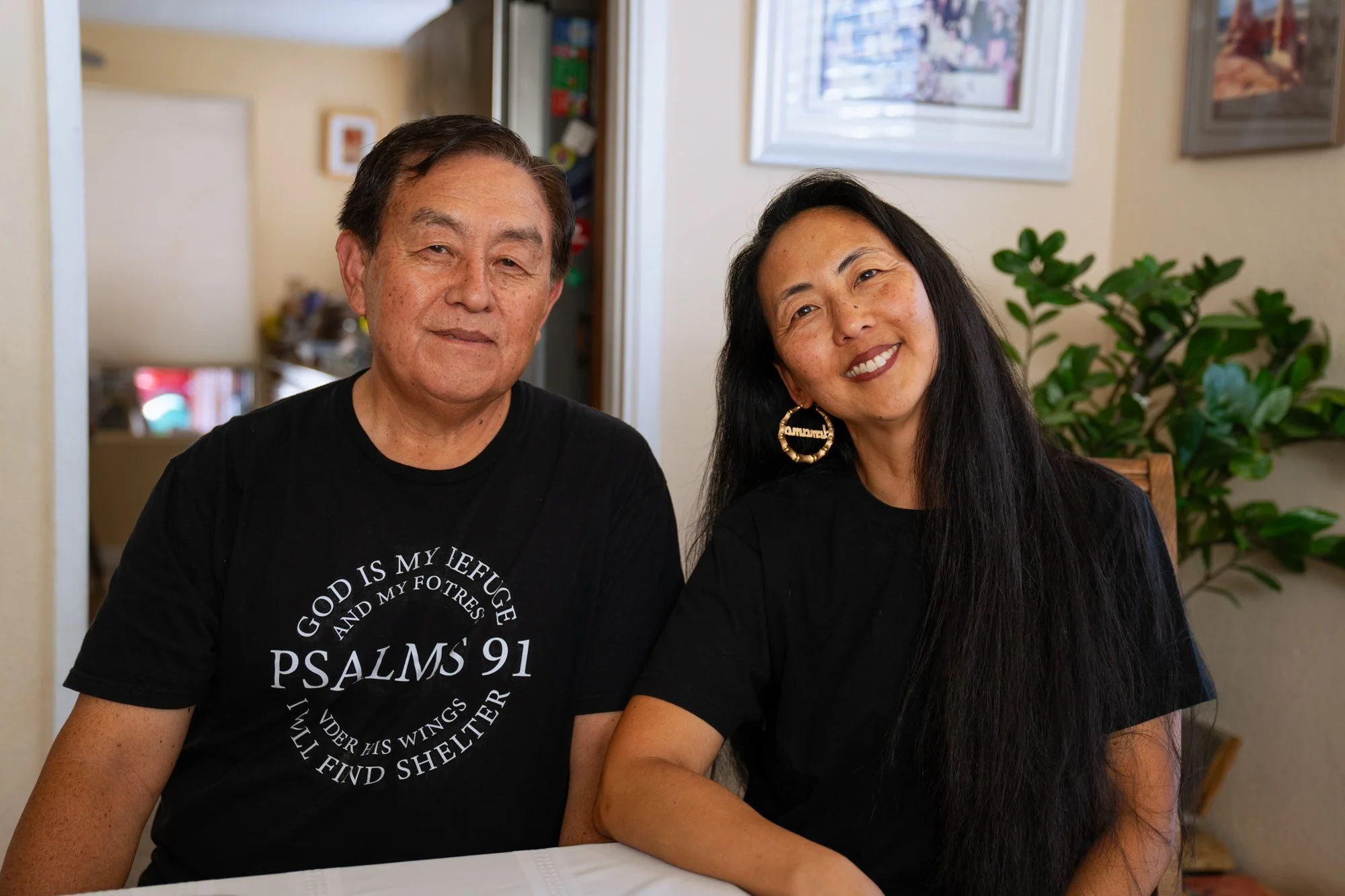
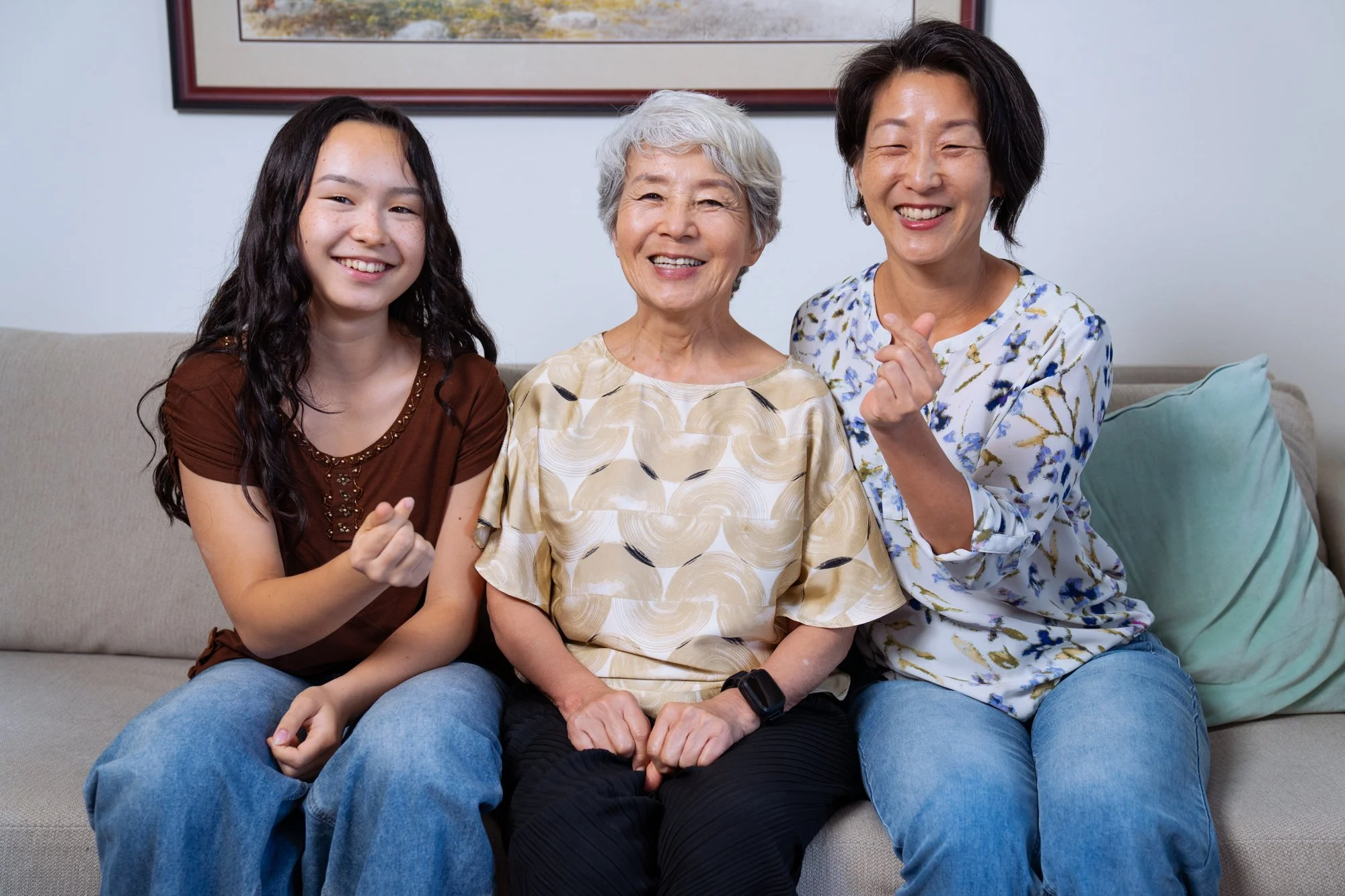
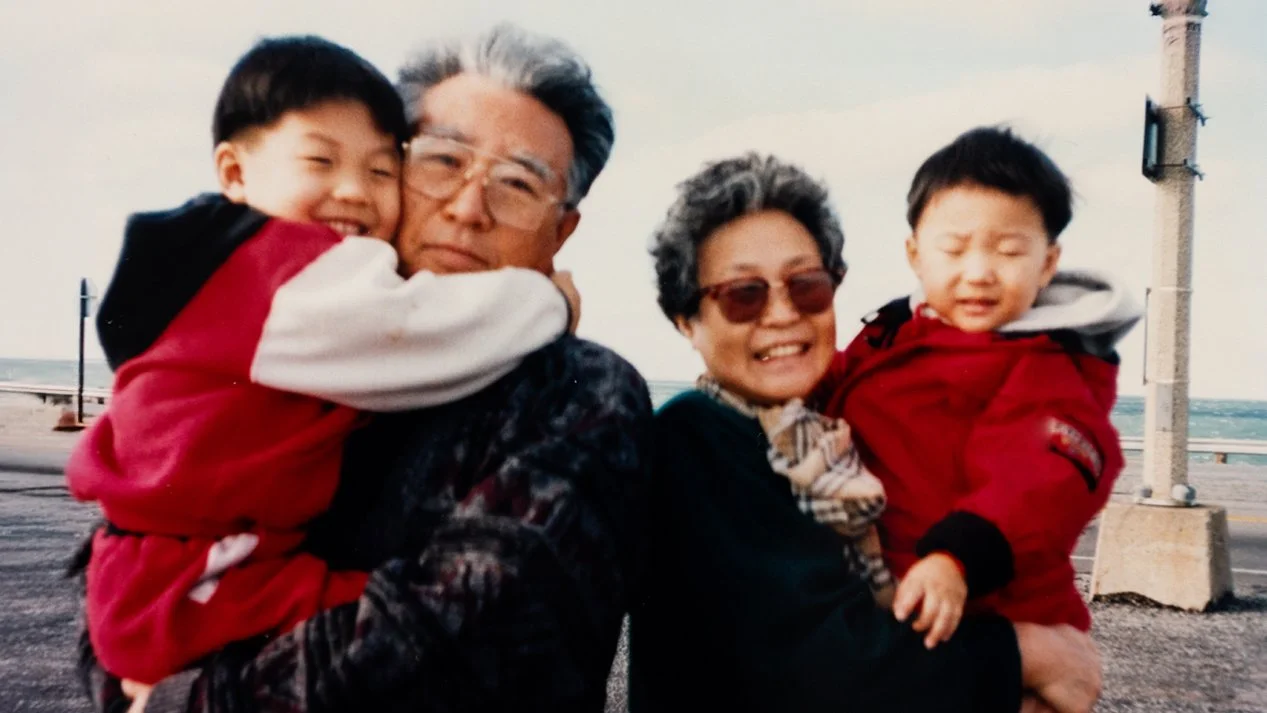
Across three generations, the Rheem family reflects on how war, displacement, and Korea’s modern history reshaped their lives and relationships. Their conversation reveals how, despite loss, family remains a lasting source of identity, memory, and what they call a “network of love.”
Tae-hyok Kim and his family reflect on a life shaped by displacement, memory, and the need to document what might otherwise be lost. Across generations, they show how storytelling can serve as both healing and a foundation for identity.
As a child in Pyongyang, Won Yun remembers skating on the Daedong River before war transformed his world. Now joined by his daughter in law Cristina and granddaughter Emily, he reflects on survival, separation, and a brief reunion that revealed both the fragility and persistence of family bonds.
Rosa Kwon and her parents reflect on lives shaped by war, migration, and the demands of starting over in the United States. Through candid conversation, they confront years of miscommunication and rediscover connection through shared truth and understanding.
Joined by his children Bora and Bob, Chang Soon Lee reflects on a lifetime shaped by separation, silence, and faith. Their conversation reveals how forgiveness and vulnerability can transform even the most distant relationships into a lasting legacy.
Gil Sung Jun and his daughter Grace Jun reflect on how a history marked by war and loss shaped their understanding of love. Through honesty and reflection, they reveal how connection is not always spoken but still deeply felt and carried forward.
In this Letters to My Hometown conversation, Vana Kim reflects with her daughter and granddaughter on a family history shaped by exile and division. Tracing their roots to her grandfather Lee Jong-man, the conversation explores how the weight of separation carries forward and how “heart connections” endure across generations.
In this Letters to My Hometown conversation, Haesoon Koh and Moohong Roh reflect with their son Michael on grandparents separated from family during the Korean War. Their shared memories trace displacement, resilience, and a hope that the next generation might serve as a bridge toward reconciliation between North and South.
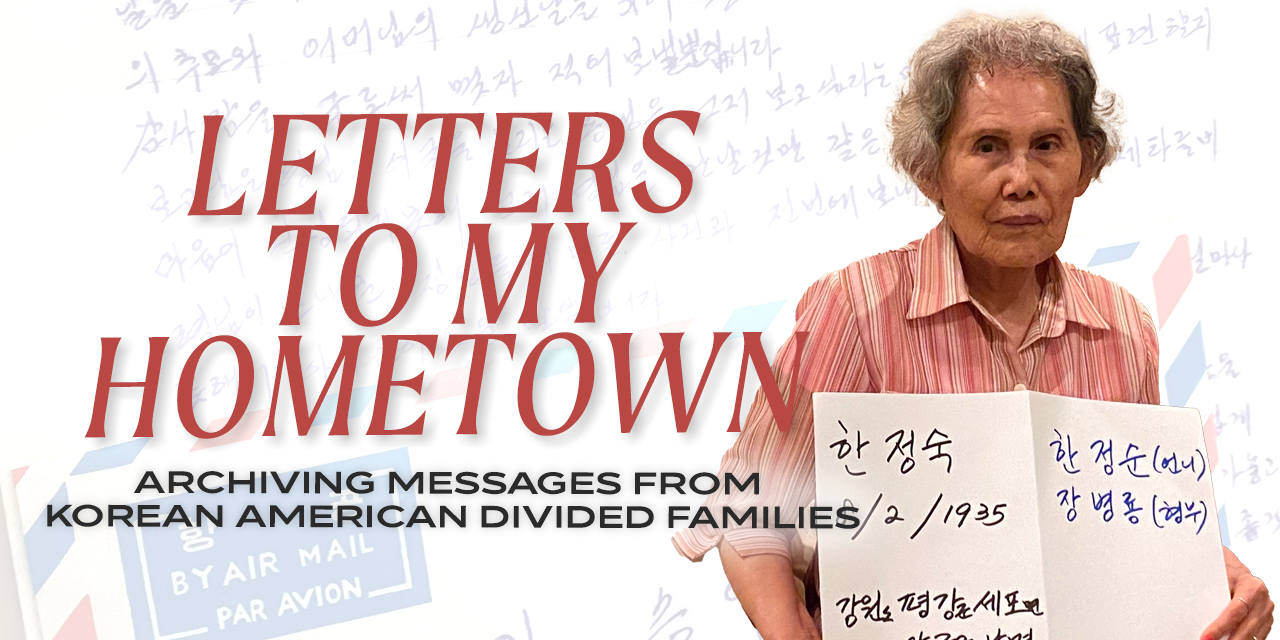
Born in Pyeonggang County, Kangwon Province, Jung Sook Han recalls a childhood shaped by farming life in the highlands of the Taebaek Mountains and the quiet closeness of family. When war and division erased her home and separated her from her sister, her memories became a place of return—and a hope that future generations might one day reunite.
Born in Cheongpyeong, South Hamgyeong Province, Keum Ja Park recounts a childhood shaped by displacement and a harrowing evacuation from Heungnam. Decades later, her return to North Korea to reunite with her father reveals the emotional distance created by time, separation, and a homeland transformed.
In this Letters to My Hometown reflection, Hyung Chang Kim recounts his father’s life—marked by resistance, survival, and an enduring longing for Hwanghae Province. Through inherited memory and grief, his letter reflects how the sorrow of division can pass across generations, shaping both identity and hope.